
Most homeowners in the Greenville area only think about their AC systems when there’s already a problem—a bedroom that won’t cool, a unit cycling every few minutes, or an odd smell drifting from the vents as the cool air finally comes on.
As we move into 2026, the landscape for AC repair in Greenville, SC is shifting in ways that will influence prices, part availability, and repair timelines. Regulatory changes are part of the story. The rest comes down to aging equipment, especially in a region where air conditioners run hard from spring through early autumn.
With nearly three decades in HVAC across upstate South Carolina, I can tell you: the calls we get now aren’t the same as the ones from five years ago. Here’s what I think Greenville-area homeowners should actually expect for AC repair in 2026.
Repair Costs Are Climbing For Reasons Most Homeowners Don’t See
Sticker shock for AC repair in Greenville isn’t just a result of inflation. One major factor is the ongoing refrigerant transition. Due to AIM Act regulations, R-410A—long the standard refrigerant in residential systems—is being phased down, and its price per pound has surged. If your system relies on R-410A and gets a leak, a simple recharge costs significantly more than it did even a few years back, before you factor in the actual repair.
Parts are the next hurdle. Manufacturers are streamlining their lines to focus on newer models, so things like boards, fan motors, and compressors for systems installed between 2010 and 2018 are becoming harder to source quickly. What used to be a same-day fix—because we had the part on the truck—now can mean waiting a day or two for a shipment. That’s not about poor service; it’s just how today’s supply chain works.
My Advice to Homeowners: If your AC is between 12 and 15 years old, you might not need to replace it yet, but be prepared for rising parts costs and slower repairs. This is the window where scarcity and price hikes become real.
The basic repair—diagnosis, labor, a common part like a capacitor or contactor—should still fall in a range most folks can cover without financing. But if your repair involves the compressor, coil replacement, or substantial refrigerant work, your bill will climb quickly. That’s when the conversation about repair versus replacement becomes unavoidable.
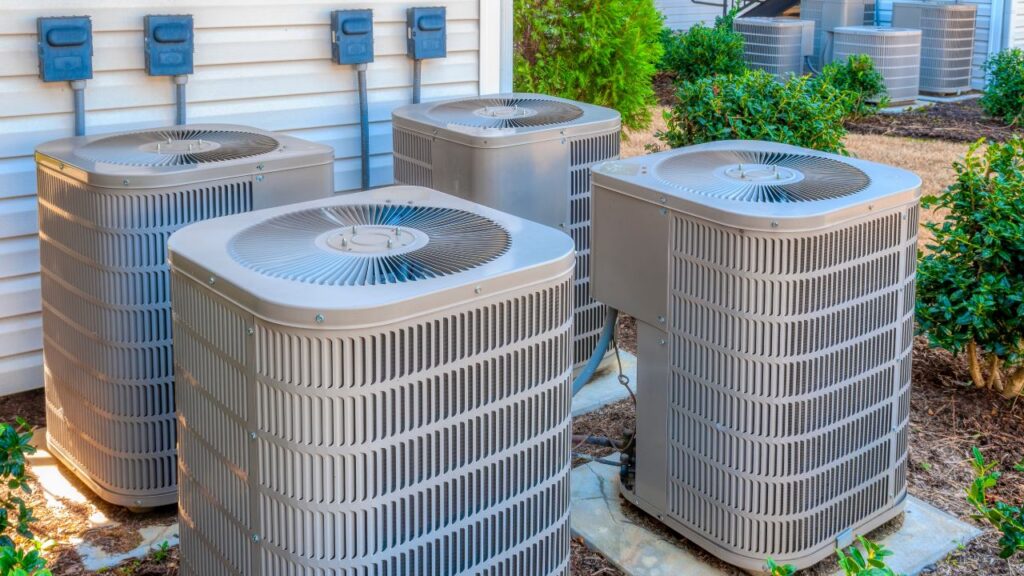
Emergency AC Repair in Greenville, SC
Losing your AC at midnight in the middle of July isn’t the same as a slow decline you barely notice. When the house climbs to 88 degrees and rising, no one wants to hear about waitlists.
Emergency AC repair has its own price structure. After-hours rates aren’t about price gouging—they reflect the cost of keeping a technician available 24/7, often pulling them away from sleep, family, or rare time off. We try to reach you within a couple of hours for true emergencies, but with heat waves, every HVAC company in upstate South Carolina is stretched thin.
In these high-stress calls, a few things can make a real difference:
- Check your breaker panel and thermostat batteries before calling—it solves more issues than you’d expect.
- Be clear on the phone if the outside unit is running while the inside isn’t (or vice versa). That detail helps the tech load the right parts.
- Do not cycle your system on and off repeatedly hoping it will “just work.” A compressor that’s short-cycling can lock up, turning a routine repair into a major replacement.
- Let dispatch know immediately if there are pets or elderly residents in the home. This helps us accurately triage your call.
One pattern I consistently see: Homeowners who schedule AC service at least once a year rarely suffer true emergencies. Neglected systems tend to fail suddenly, while regularly maintained ones give you warning signs first.
The R-410A Phasedown Changes The Math On Older Units
This could fill a whole article, but here is the bottom line: the EPA’s phasedown of R-410A ramps up through 2026 and beyond, sending prices higher and making supply less predictable. While reclaimed refrigerant is out there, its price jumps around and the quality isn’t always guaranteed. If you have a slow leak that’s already been “topped off” once or twice, you’re now spending more and more on a recurring issue that isn’t truly resolved.
Dirty filters, restricted airflow, iced coils—it’s a familiar path. The problem now is, when a refrigerant leak is the root cause and that refrigerant costs more every year, the cost-benefit calculation changes. Repeat repairs start adding up fast, sometimes eclipsing the total cost of a new, efficient unit (which brings a warranty and up-to-date refrigerant).
I’m not insisting every system that leaks must be replaced, but I am saying the break-even point comes much sooner than most folks think. If you’re on your third recharge, it’s time for a bigger conversation.
Energy-Efficient Air Conditioner Upgrades in Greenville, SC
Details matter here—sizing the equipment, evaluating ductwork, and checking rebate eligibility all depend on your specific house and current system. “Rules of thumb” do more harm than good.
That said, here is what applies broadly to upgrades in 2026:
- Higher SEER2 Minimums: All new systems must meet higher efficiency standards than even a couple of years ago, so baseline efficiency is inherently improving.
- Federal Tax Credits: Credits for qualifying high-efficiency AC and heat pumps are still live via the Inflation Reduction Act, but the rules around eligibility and amounts can shift, requiring careful review.
- Ductless System Advancements: If you have a sunroom, converted garage, or “problem” room that stays hot, modern ductless systems are no longer just niche—they’re a strong, flexible solution.
The upgrade conversation starts with a professional load calculation and a real look at your ductwork. Everything else—brand, model, incentives—comes after that honest assessment.
Why Routine AC Service in Greenville, SC Pays Off
Most major, expensive AC repairs could have been prevented during a thorough routine service visit. A capacitor that’s just beginning to weaken, a drain line with a slow clog, a contactor with pitting—none of these give obvious signs to the homeowner. Your system just works a little less efficiently month by month, until it finally fails.
A comprehensive AC service visit in Greenville should be much more than a quick rinse of the condenser or a thermostat check. It should include:
- Measuring refrigerant pressures
- Checking all electrical connections and amp draws
- Inspecting the evaporator coil (when reachable)
- Clearing the condensate drain
- Verifying the temperature split between supply and return
That temperature difference—often called the split—is one of the best indicators you have of system health. We’ve seen AC units limp along for an entire summer pulling only a six-degree split, when 18 to 20 degrees is the norm. Homeowners will describe their house as “a little warm, but okay,” not realizing the compressor is working overtime and driving up their utility bills. By the time that repair call comes in, the compressor might be on its last legs, and the fix is a wallet-stinger.
The Value of Documentation
Annual preventative maintenance may not be flashy, but for any AC system past its fifth summer, it’s the smart money. There’s also the advantage of documentation. When a technician can see the system’s numbers from a visit six months ago, diagnosing a new problem goes faster and is more accurate. Without those records, every repair starts from scratch.
Need a checkup? Check our current offers to see if a maintenance visit fits your budget.
If you’re in the Greenville area and your system hasn’t had a checkup since last summer, David Taylor Heating & Air Conditioning can provide a full evaluation—checking refrigerant, electrical components, airflow, and more. That’s always the best first step.
Call (864) 479-6307 to schedule a thorough AC service or AC repair visit today.